Author: Nasya Amelia Putri (2461025) | Editor: Ambarwulan, S.T.
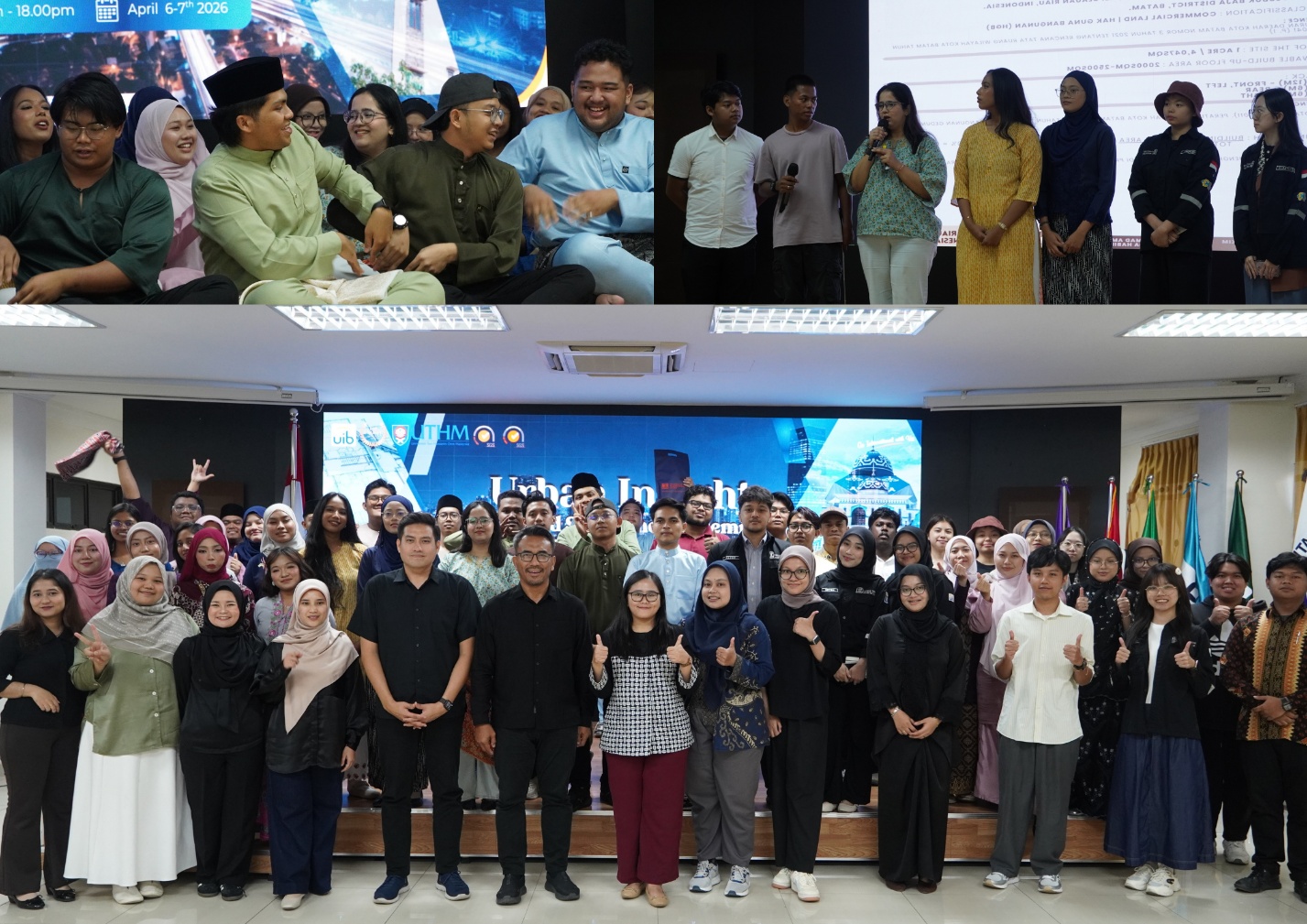
Universitas Internasional Batam (UIB) successfully organized the Urban Insight: Architecture Field Study and Academic Exchange UIB x UTHM 2026 on April 6–7, 2026, at Aula B, 2nd Floor, UIB. This international academic program was initiated by the International Relations Office (IRO) in collaboration with the Architecture Study Program as part of UIB’s commitment to strengthening global academic partnerships. The activity involved approximately 75 participants consisting of students, lecturers, and representatives from both UIB and Universiti Tun Hussein Onn Malaysia (UTHM). In addition, the program also engaged stakeholders from the government and cultural institutions, including the Department of Public Works and Spatial Planning of Batam City and the Malay Customary Institution. The program aimed to provide a comprehensive academic platform that integrates theoretical knowledge, professional insights, and cultural perspectives in the field of architecture. Overall, the activity was conducted successfully, smoothly, and professionally without any obstacles.
The first day of the program was primarily dedicated to field study activities, where participants directly engaged with real urban environments as part of the data collection process. Students from both universities were brought to the Nagoya area in Batam, one of the city’s most dynamic urban zones, to conduct on-site observation and analysis. During this session, participants explored various aspects of urban development, including spatial organization, building characteristics, commercial activity, and community interaction within the area. This hands-on approach allowed students to gather real data, identify urban challenges, and understand the practical context of architectural and city planning issues. The field observation served as a critical foundation for the academic presentations that would take place on the following day. Through this immersive experience, students were encouraged to apply analytical thinking and develop context-based insights rooted in real conditions.
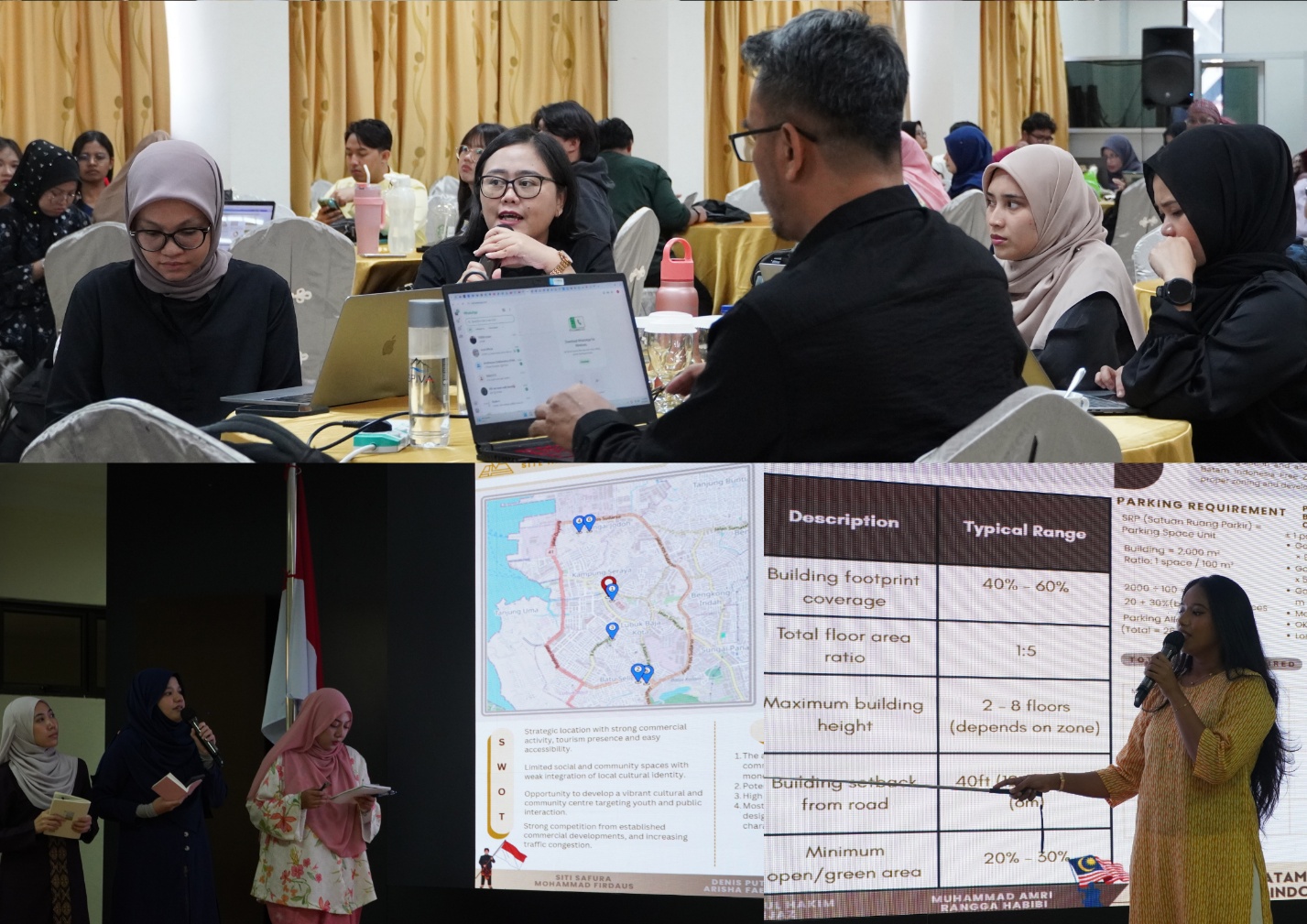
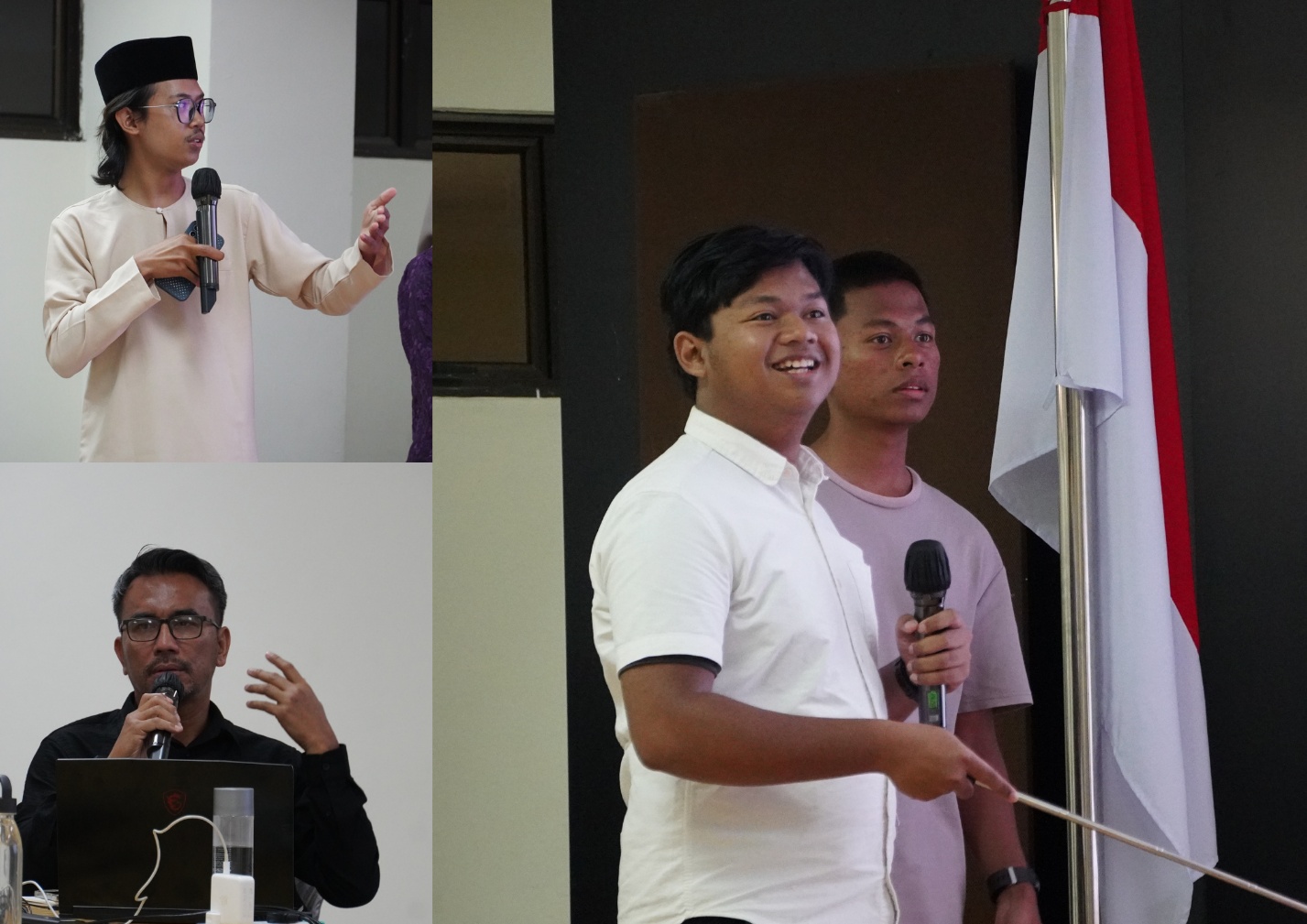
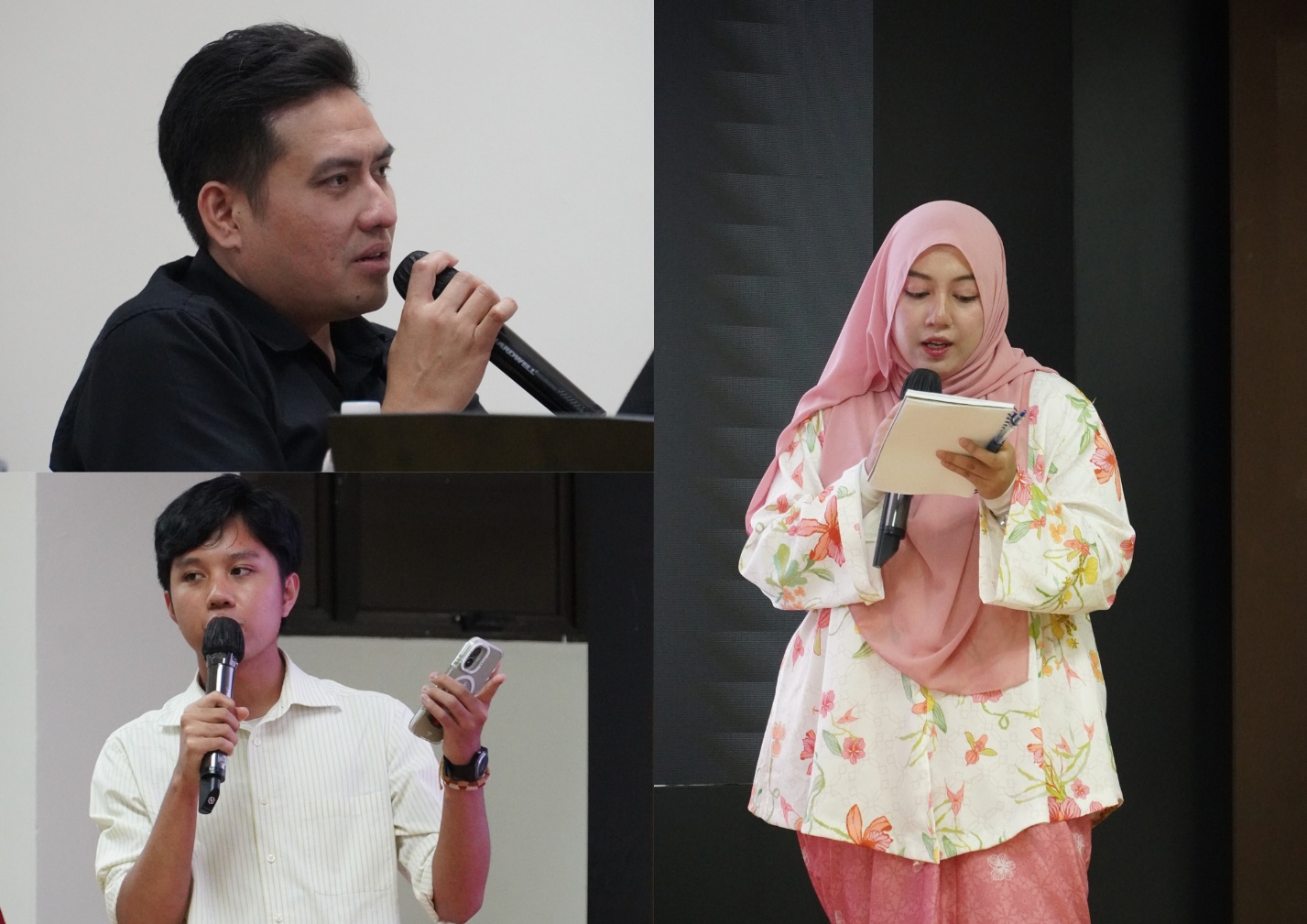
Following the field study, the program continued with academic presentations and knowledge exchange sessions. The second day began with a welcoming remark delivered by the Head of the Architecture Study Program of UIB, Stivani Ayuning Suwarlan, Ph.D., who emphasized the importance of integrating field experience with academic learning. Students then presented the results of their observations and analyses conducted in the Nagoya area, showcasing their ability to transform raw data into structured architectural and urban insights. Each presentation reflected different perspectives and approaches, highlighting the interdisciplinary nature of the program. The session created an interactive academic atmosphere, allowing participants to exchange ideas and receive constructive feedback from lecturers and peers. This process strengthened students’ communication skills and their ability to present ideas in an international academic environment.
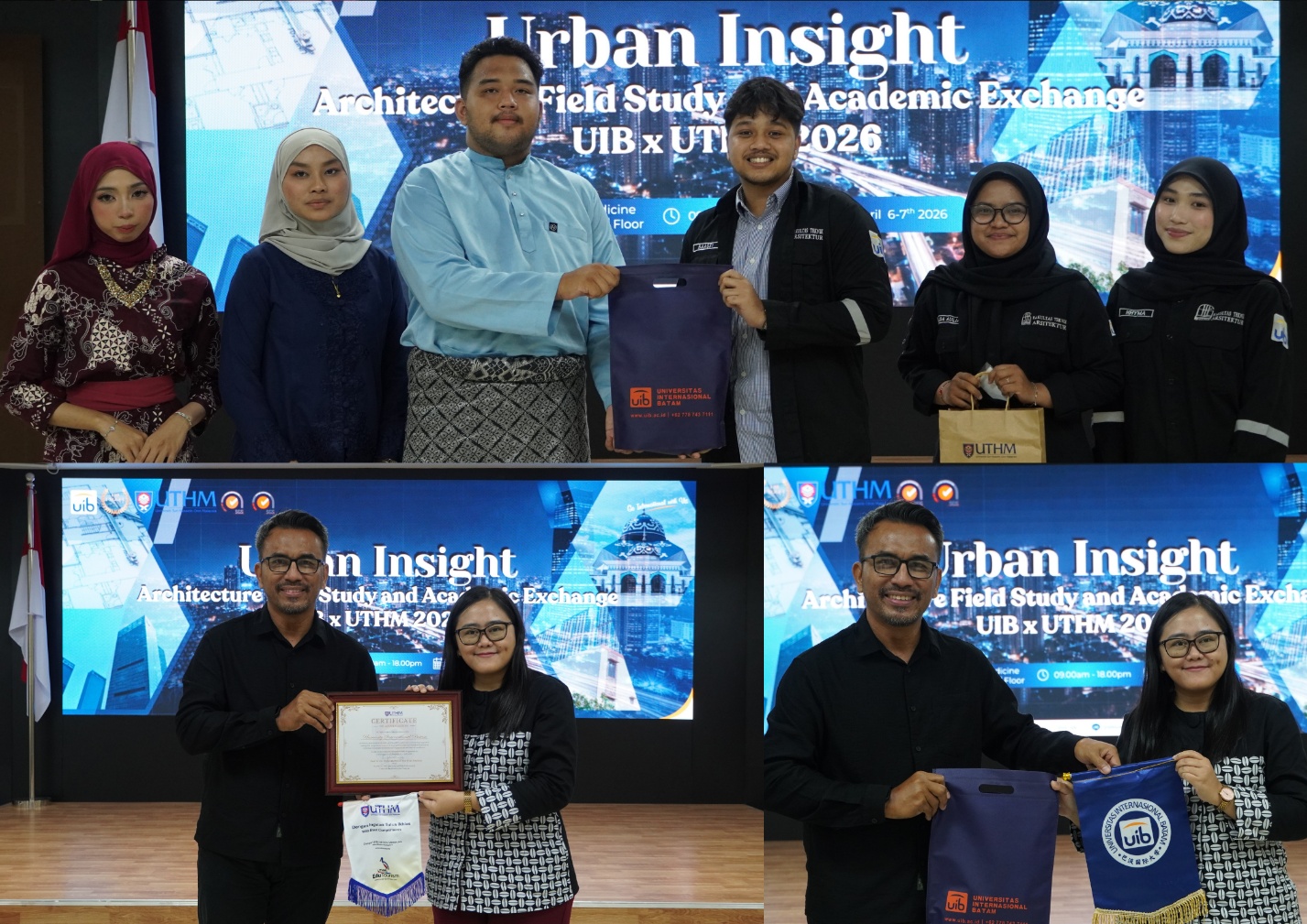
In the afternoon session, the program continued with discussions involving representatives from the Malay Customary Institution, focusing on community-based development, corporate social responsibility, and the integration of local cultural values into architectural design. This session provided participants with a deeper understanding of how cultural heritage plays a significant role in shaping sustainable and contextual architecture. The discussion encouraged students to consider social and cultural dimensions when developing architectural concepts. The presence of cultural stakeholders enriched the academic dialogue by introducing real-world perspectives beyond theoretical frameworks. Participants actively engaged in discussions, reflecting strong interest in culturally responsive design. The session concluded with a reflection segment that allowed participants to connect their learning experiences with broader architectural practices.
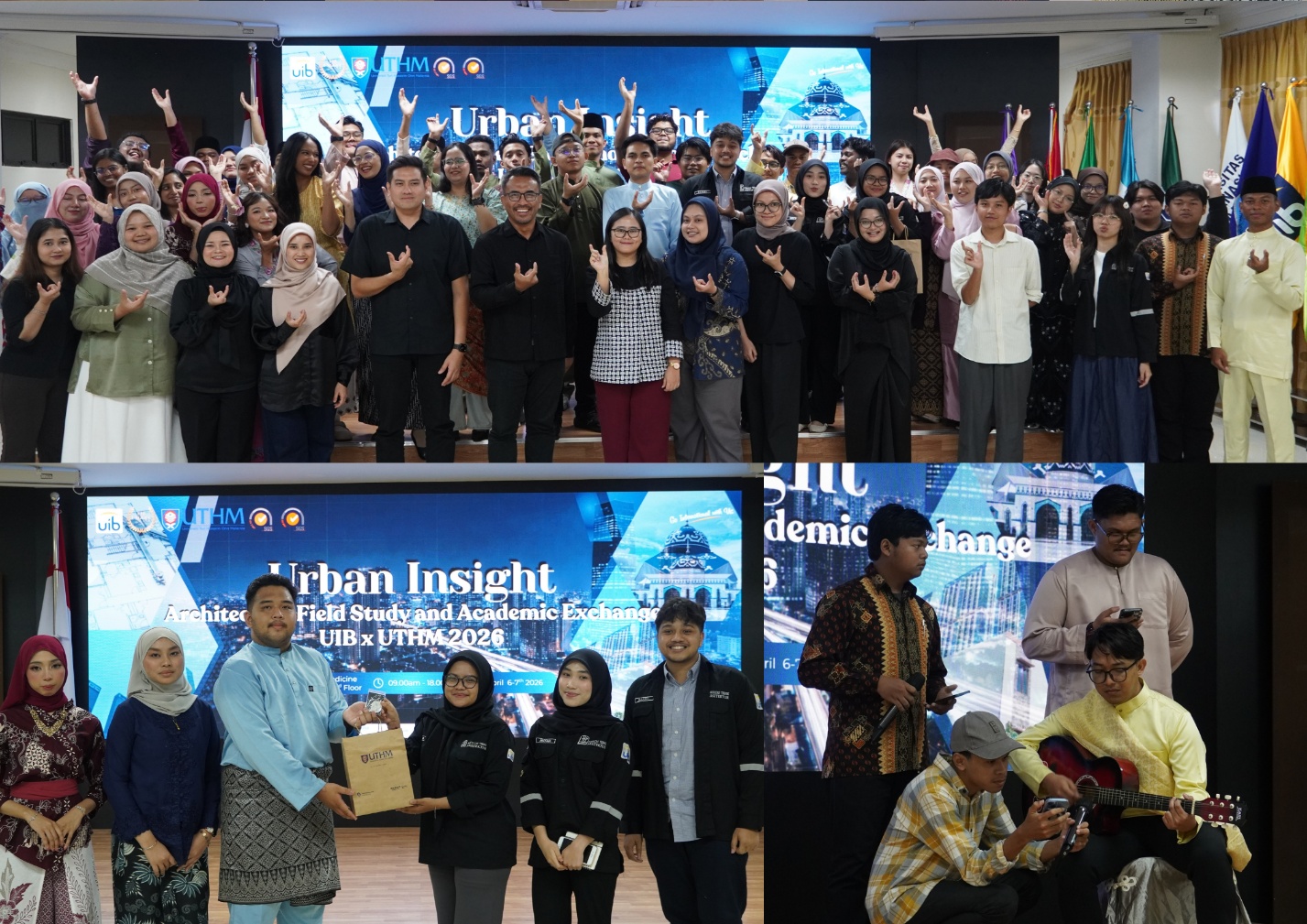
The program also emphasized institutional collaboration and professional insight through a coordination meeting with the Batam City Government, particularly the Department of Public Works and Spatial Planning. This session discussed practical aspects of urban development, spatial planning policies, and current challenges in city development. Participants gained valuable knowledge regarding how government policies influence architectural practices and urban planning decisions. The discussion also highlighted the importance of collaboration between academic institutions and government bodies in addressing urban challenges. Students were able to see the direct connection between academic learning and real-world implementation. This session further strengthened the relevance of the program in bridging academic knowledge with professional practice.
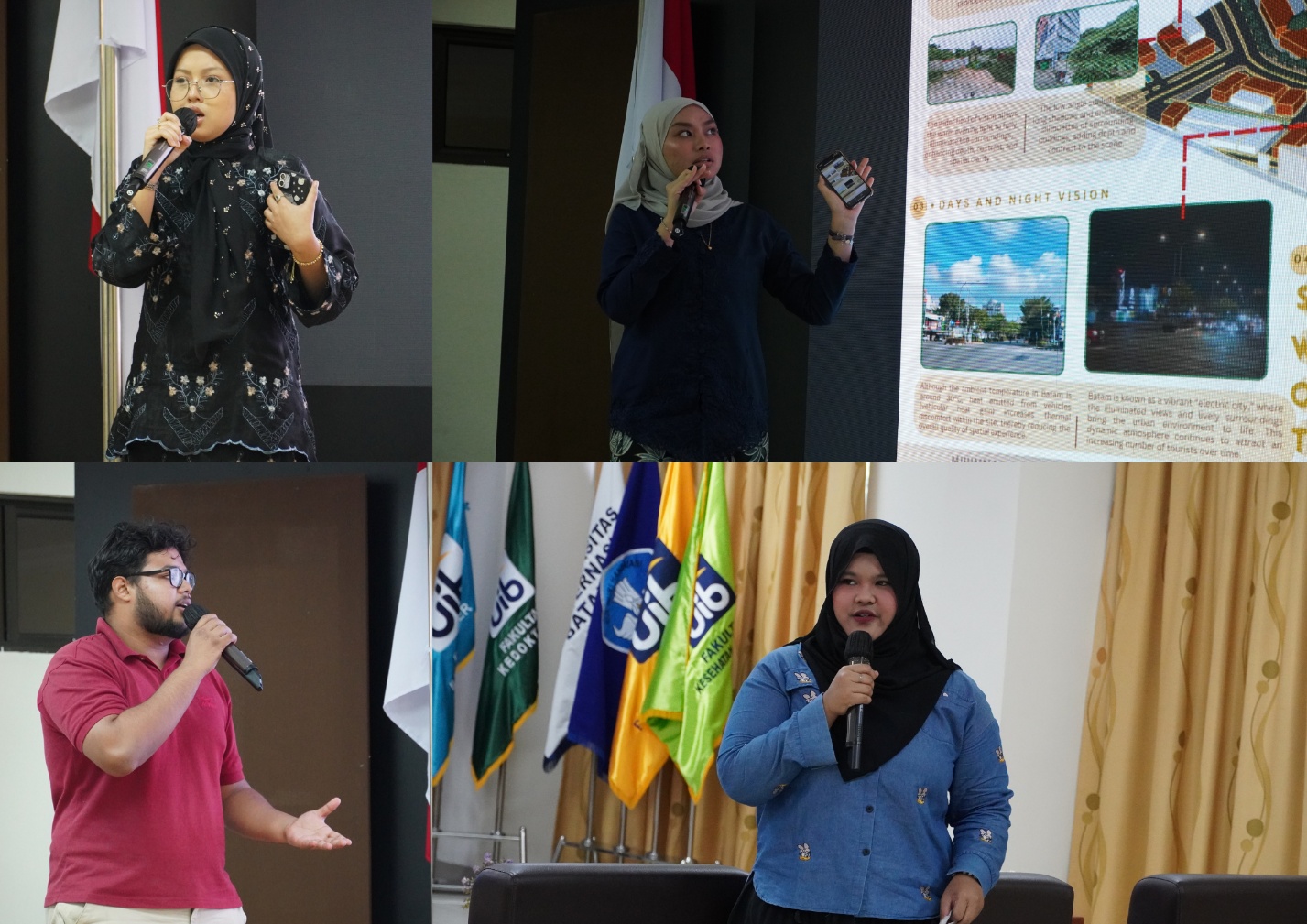
In addition to academic sessions, the program also featured cultural exchange activities involving the UTHM delegation. Students from UTHM showcased various performances, including traditional Malay dances, singing, and a karaoke session, which created a lively and engaging atmosphere. These activities played a significant role in fostering intercultural understanding and strengthening interpersonal relationships among participants. The informal setting allowed students to interact more closely and build meaningful connections beyond academic discussions. This cultural exchange complemented the academic objectives of the program by promoting global awareness and mutual appreciation. The collaborative environment reflected the essence of international education through both academic and cultural integration.
Overall, the Urban Insight: Architecture Field Study and Academic Exchange UIB x UTHM 2026 successfully achieved its objectives of strengthening international academic collaboration and enhancing students’ global perspectives in architecture. The program demonstrated the importance of integrating field-based learning with academic analysis and cultural understanding. Through this initiative, UIB and UTHM reaffirmed their commitment to developing future collaborations, including student exchange programs, joint research, and international academic forums. The involvement of government and cultural institutions further enriched the program and opened opportunities for broader collaboration. This activity marked a significant step forward in advancing internationalization at Universitas Internasional Batam. Moving forward, similar programs are expected to continue fostering globally competent graduates equipped with interdisciplinary knowledge and cross-cultural understanding.
International Relation Office
Universitas International Batam