Author: Duke Paopathon Pardede (2461001) | Editor: Ambarwulan, S.T.
(Source: International Relation Office)
Universitas Internasional Batam (UIB), through its International Relations Office (IRO) and Faculty of Medicine, successfully collaborated with the Lee Kong Chian School of Medicine, Nanyang Technological University (NTU) Singapore, in organizing a comprehensive Community Health Screening Program at Kampung Air, Batam, as part of the Academic Exchange, Cultural Immersion, and Community Health Screening Program 2026. Conducted on 9 and 11 July 2026, the initiative formed part of Project DAYA, an Overseas Community Involvement Project (OCIP) led by NTU medical students that focuses on preventive healthcare, community engagement, and international service-learning. The program aimed to improve access to basic health services for local residents while providing meaningful experiential learning opportunities for students from both institutions. Bringing together medical students, lecturers, healthcare professionals, and local community members, the activity demonstrated how international academic collaboration can generate tangible social impact beyond the classroom. Throughout the two-day program, the health screening activities were conducted smoothly, professionally, and received an overwhelmingly positive response from the local community.
(Source: International Relation Office)
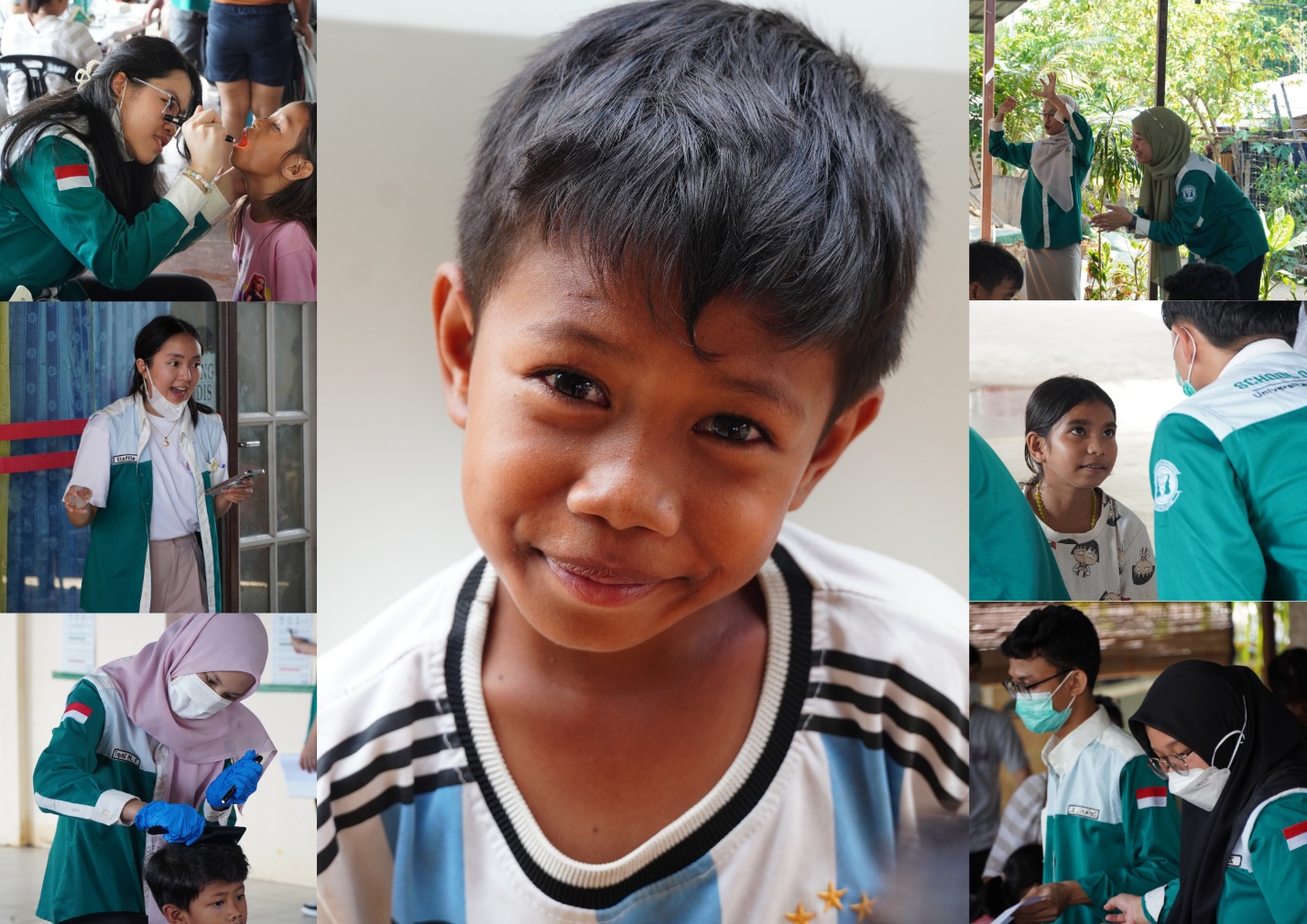
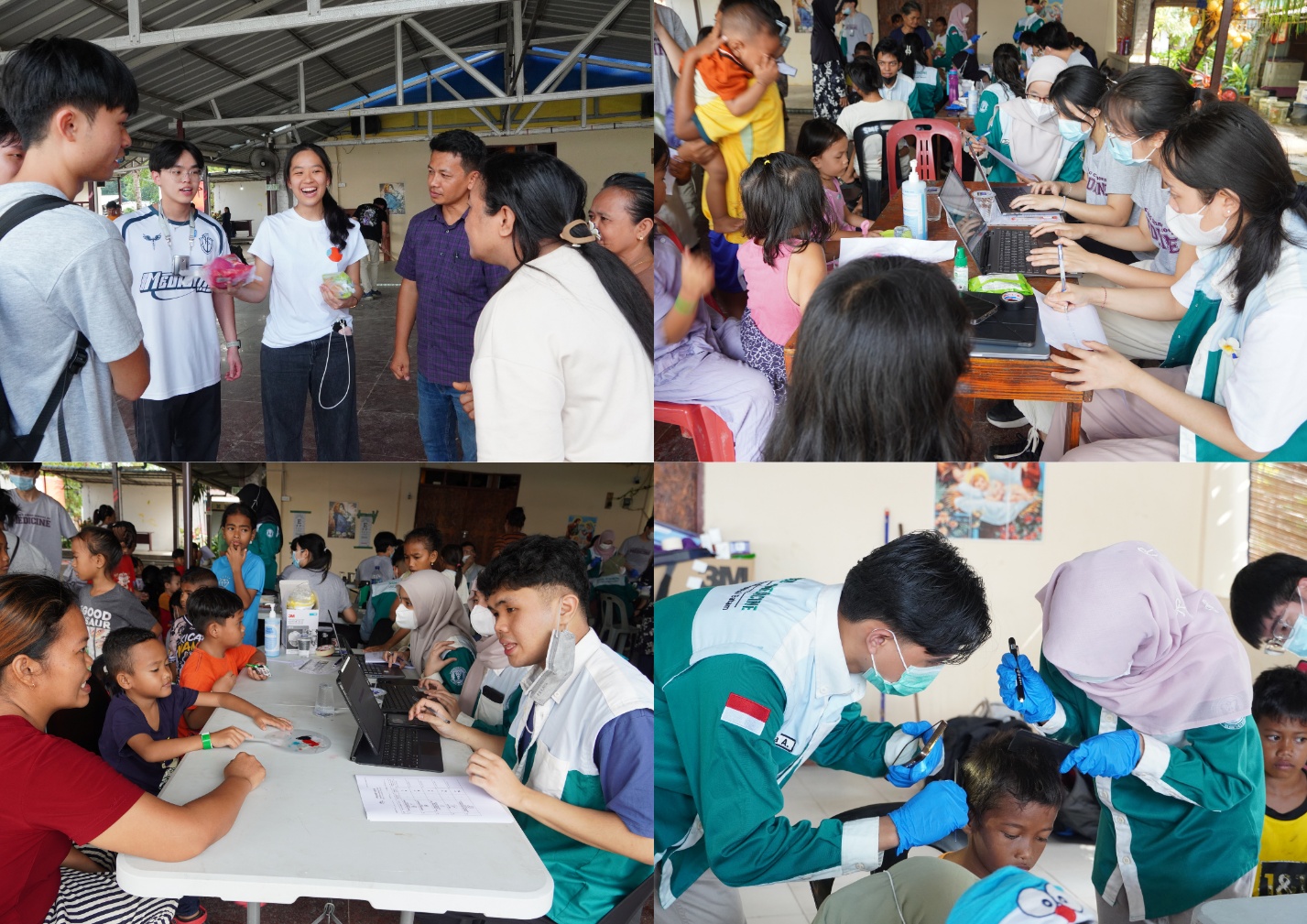
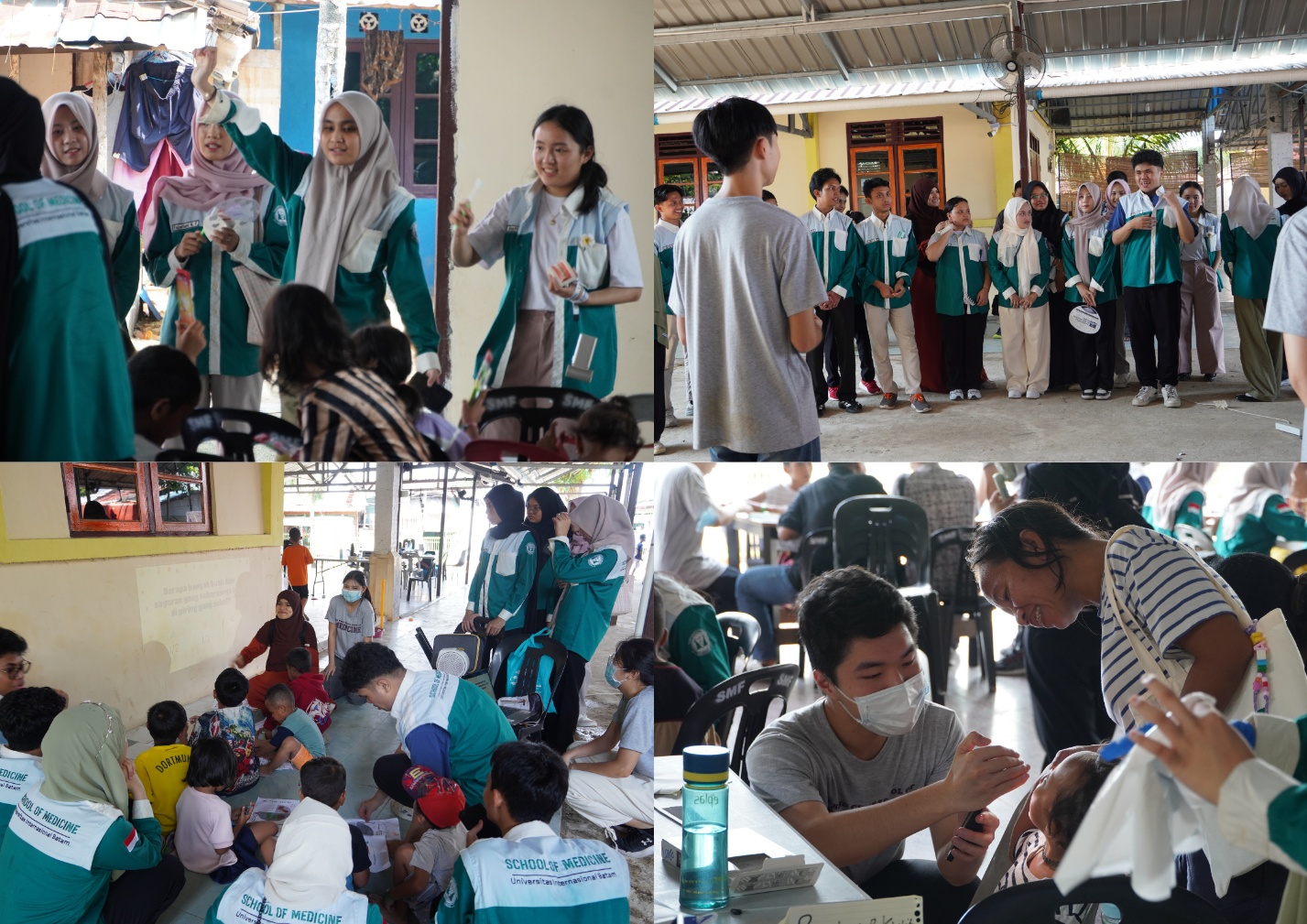
The community outreach began on Thursday, 9 July 2026, with a Children’s Health Screening session held at Kapelas Church, Kampung Air. From the early morning, families gathered enthusiastically, with approximately 110 children participating in the program, reflecting the community’s strong awareness of preventive healthcare. Medical students from NTU’s Lee Kong Chian School of Medicine worked hand in hand with students and faculty members from the Faculty of Medicine at Universitas Internasional Batam to provide comprehensive health assessments in a structured and welcoming environment. The screening covered multiple aspects of children’s health, including height and weight measurements, nutritional assessment, vision screening, dental examination, hand hygiene education, and personalized health consultations. Beyond collecting medical information, each screening station also served as an educational platform where children and parents received practical guidance on maintaining healthy lifestyles and preventing common health issues.
(Source: International Relation Office)
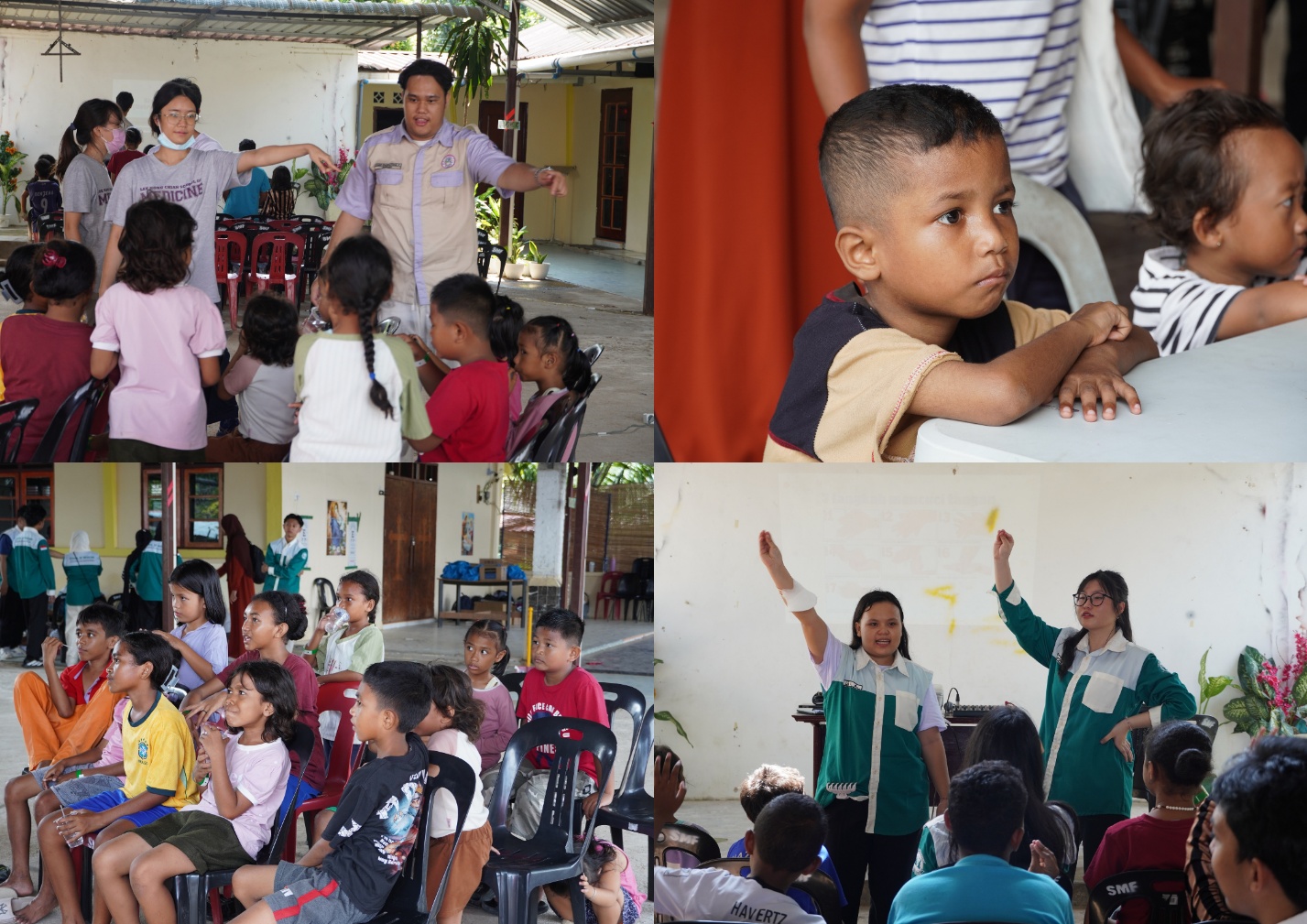
One of the distinguishing features of Project DAYA is its emphasis on health promotion rather than merely disease detection. Throughout the children’s screening program, participants were encouraged to understand the importance of nutrition, oral hygiene, personal cleanliness, and regular medical check-ups from an early age. Interactive educational sessions, games, and engaging health activities transformed the screening process into an enjoyable learning experience rather than a conventional medical examination. Healthy snacks and educational materials were also distributed to reinforce positive health habits among the young participants. This preventive and educational approach reflects the shared commitment of UIB and NTU to empowering communities through knowledge while encouraging healthier lifestyles for future generations.
(Source: International Relation Office)
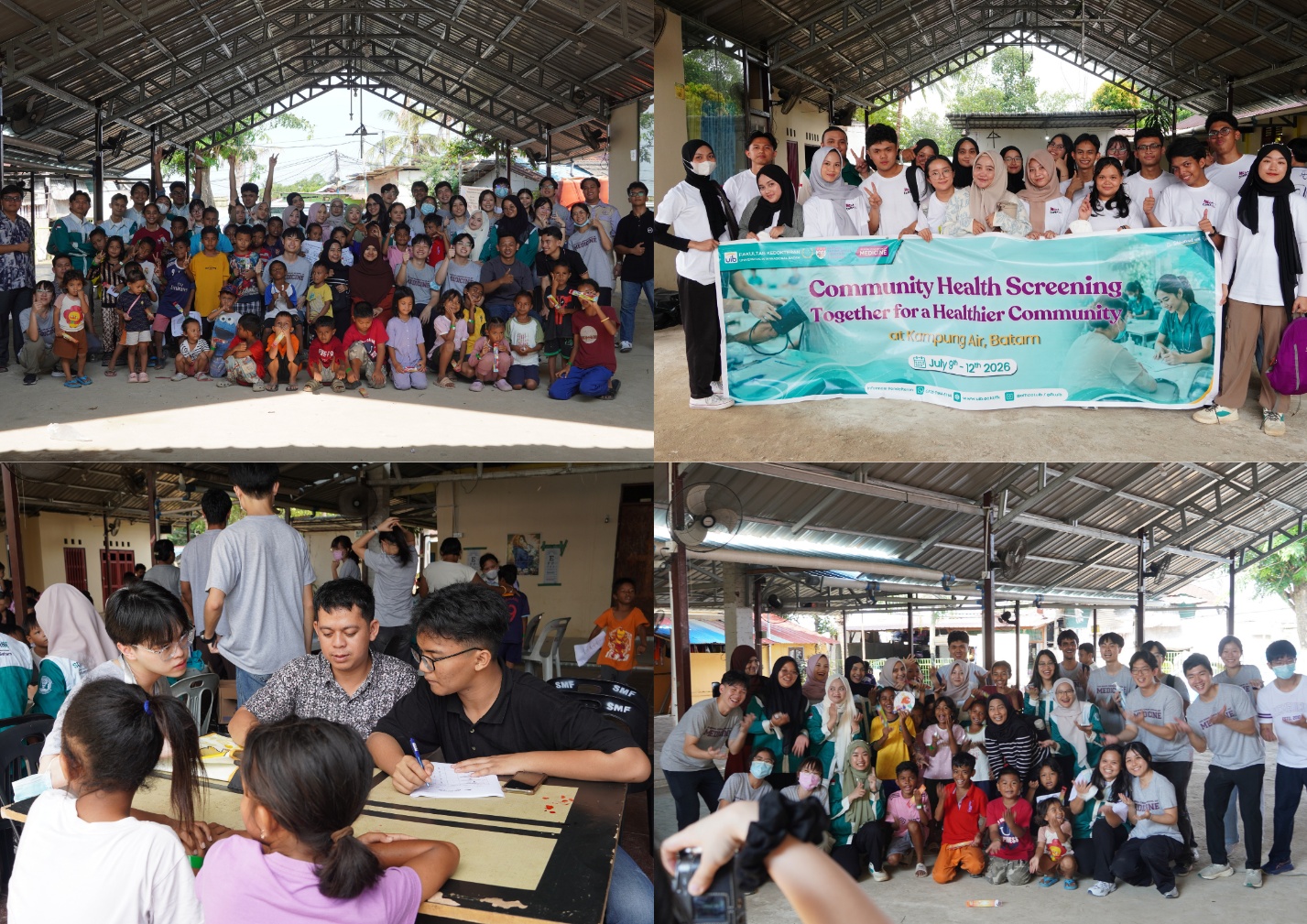
The collaboration also served as an invaluable international learning experience for students participating in the program. Medical students from Singapore and Indonesia worked together in multidisciplinary teams, allowing them to exchange knowledge, clinical perspectives, and communication skills while interacting directly with community members from diverse backgrounds. The cross-cultural environment encouraged participants to develop empathy, professionalism, teamwork, and adaptability—qualities that are essential for future healthcare professionals. Throughout the activities, lecturers and supervising physicians from both institutions closely guided the students, ensuring that every health assessment was conducted according to professional standards while maintaining patient-centered care. The experience highlighted the value of international collaboration in preparing globally competent medical practitioners.
(Source: International Relation Office)
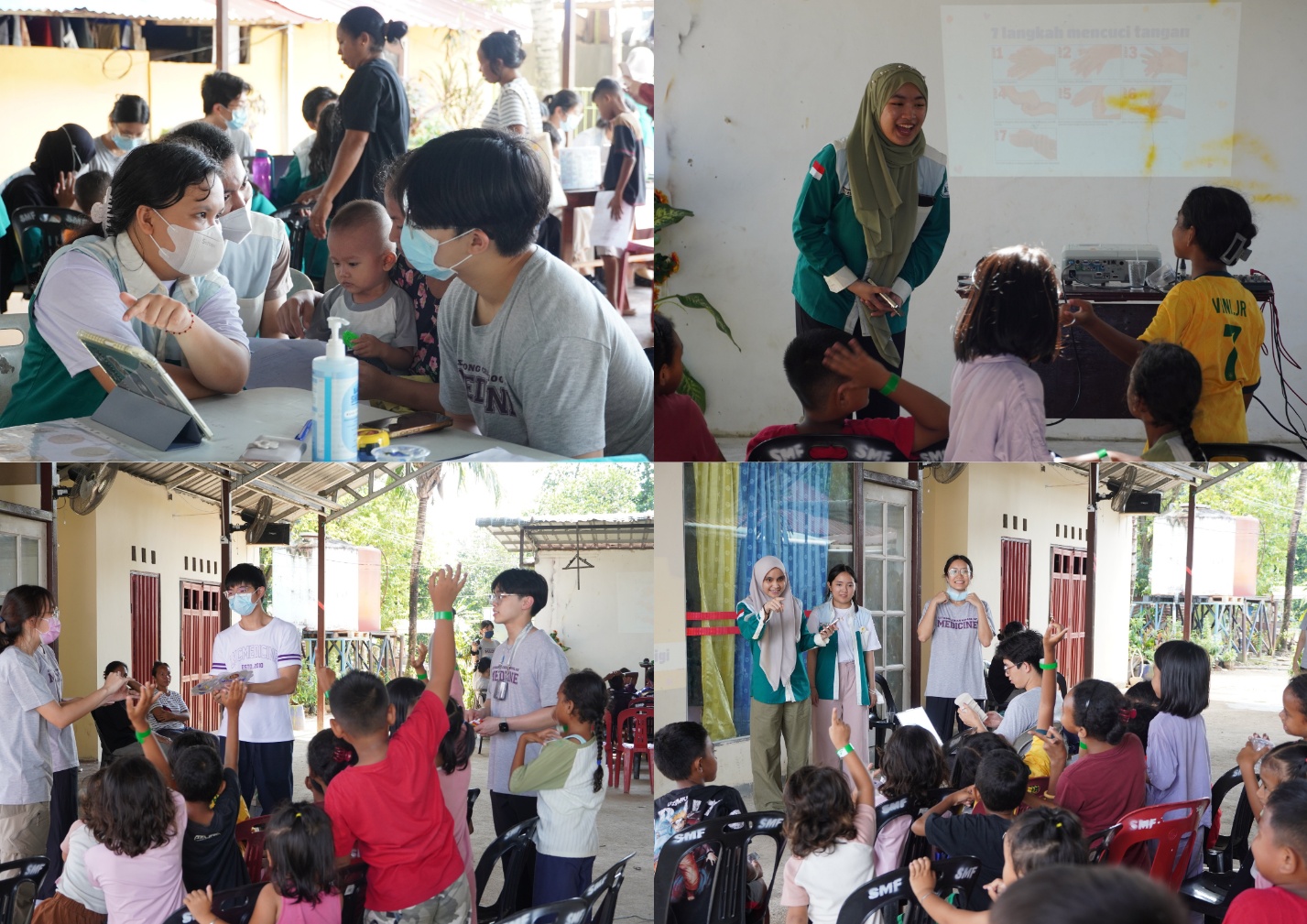
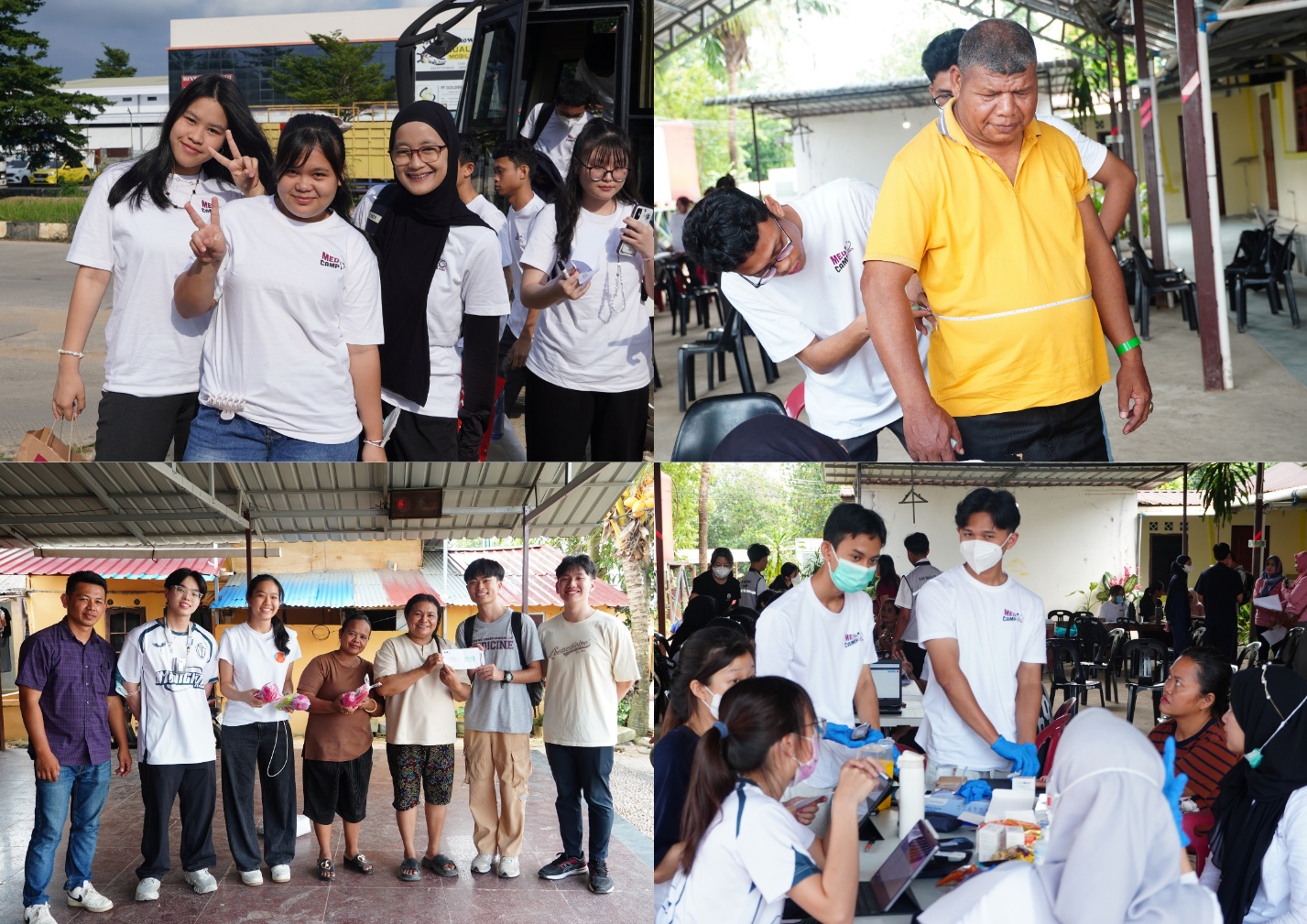
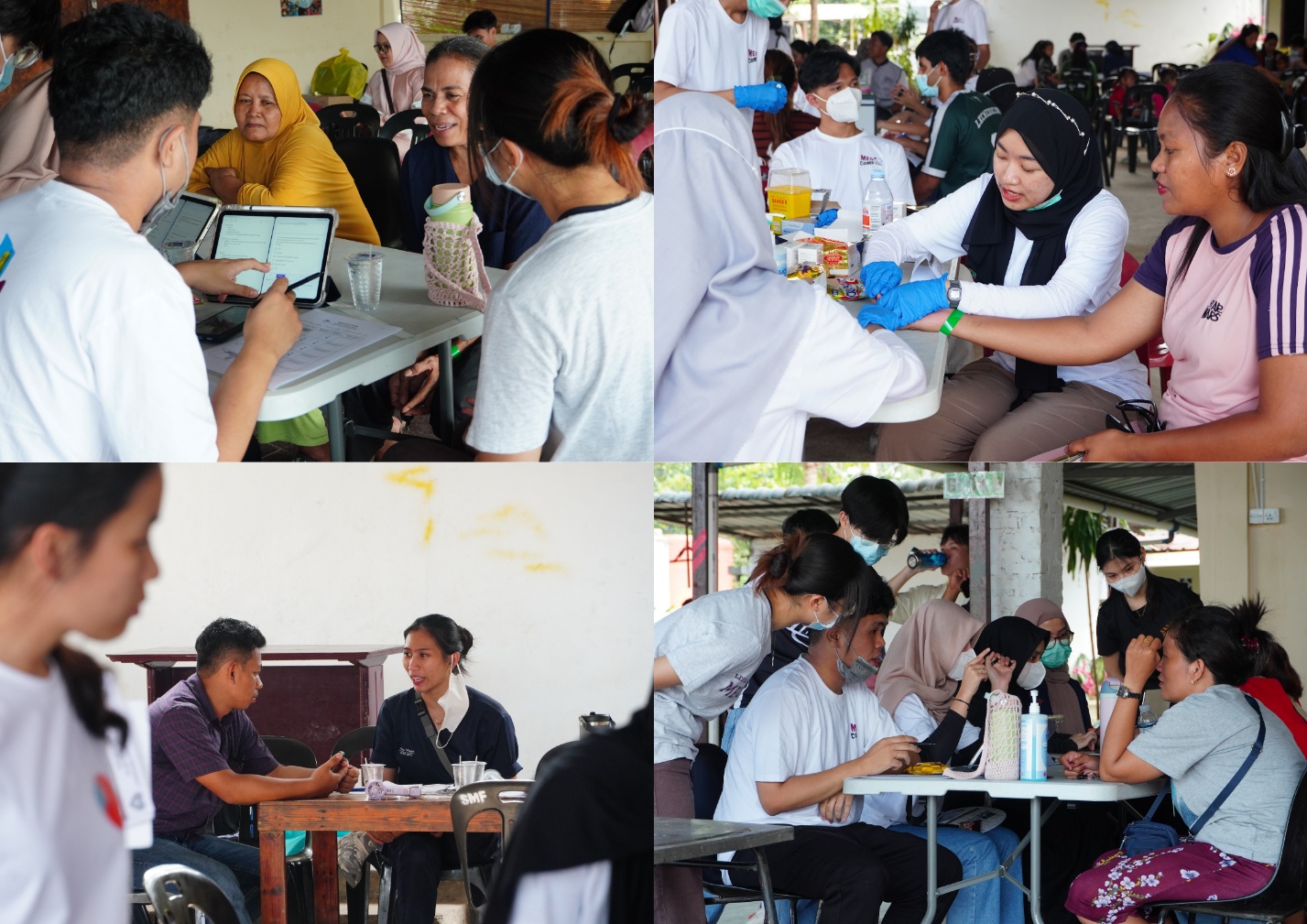
Following the children’s health program, the initiative continued on Saturday, 11 July 2026, with an Adult Health Screening session held at the same location in Kampung Air. The program successfully served 47 adult residents, who voluntarily participated in various preventive health examinations. Unlike a standard medical check-up, the screening provided a comprehensive assessment that included blood pressure measurement, body mass index (BMI), waist circumference, blood glucose testing, vision screening, physiotherapy assessment, doctor consultation, and individualized health education. Participants were free to visit multiple screening stations based on their healthcare needs, enabling them to receive holistic and personalized health evaluations within a single visit.
(Source: International Relation Office)
The adult screening revealed the importance of community-based preventive healthcare initiatives. Several participants were identified as having risk factors associated with hypertension, elevated blood glucose levels, obesity, vision impairment, and musculoskeletal conditions. Rather than ending with diagnosis alone, every participant received professional consultation and personalized recommendations regarding lifestyle modifications, nutrition, exercise, and follow-up medical care when necessary. Individuals requiring further treatment were also advised to continue their healthcare journey through local public health facilities, ensuring continuity of care beyond the event itself. This comprehensive approach reinforced the program’s objective of promoting early detection while encouraging long-term health awareness among community members.
(Source: International Relation Office)
Beyond providing medical services, the program also strengthened health literacy within the local community. Participants received educational sessions on chronic disease prevention, healthy dietary habits, physical activity, and access to Indonesia’s national healthcare system through BPJS. For many residents, the activity became an opportunity not only to learn about their own health conditions but also to better understand the importance of routine medical examinations and preventive healthcare practices. The combination of screening, consultation, education, and referral created a sustainable healthcare model that extended the impact of the program beyond the two days of implementation. Such an approach aligns closely with Project DAYA’s philosophy of empowering communities through education and preventive medicine.
(Source: International Relation Office)
From an institutional perspective, the Community Health Screening Program at Kampung Air represented a meaningful milestone in the growing partnership between Universitas Internasional Batam and Nanyang Technological University Singapore. Through the integration of academic exchange, service-learning, and community engagement, the collaboration successfully demonstrated how higher education institutions can contribute directly to improving public well-being while simultaneously enriching students’ educational experiences. The involvement of Project DAYA also highlighted the importance of international partnerships in addressing real societal challenges through interdisciplinary collaboration and shared expertise. The initiative further strengthened academic ties between the two universities and opened new opportunities for future collaborations in medical education, research, and community development.
(Source: International Relation Office)
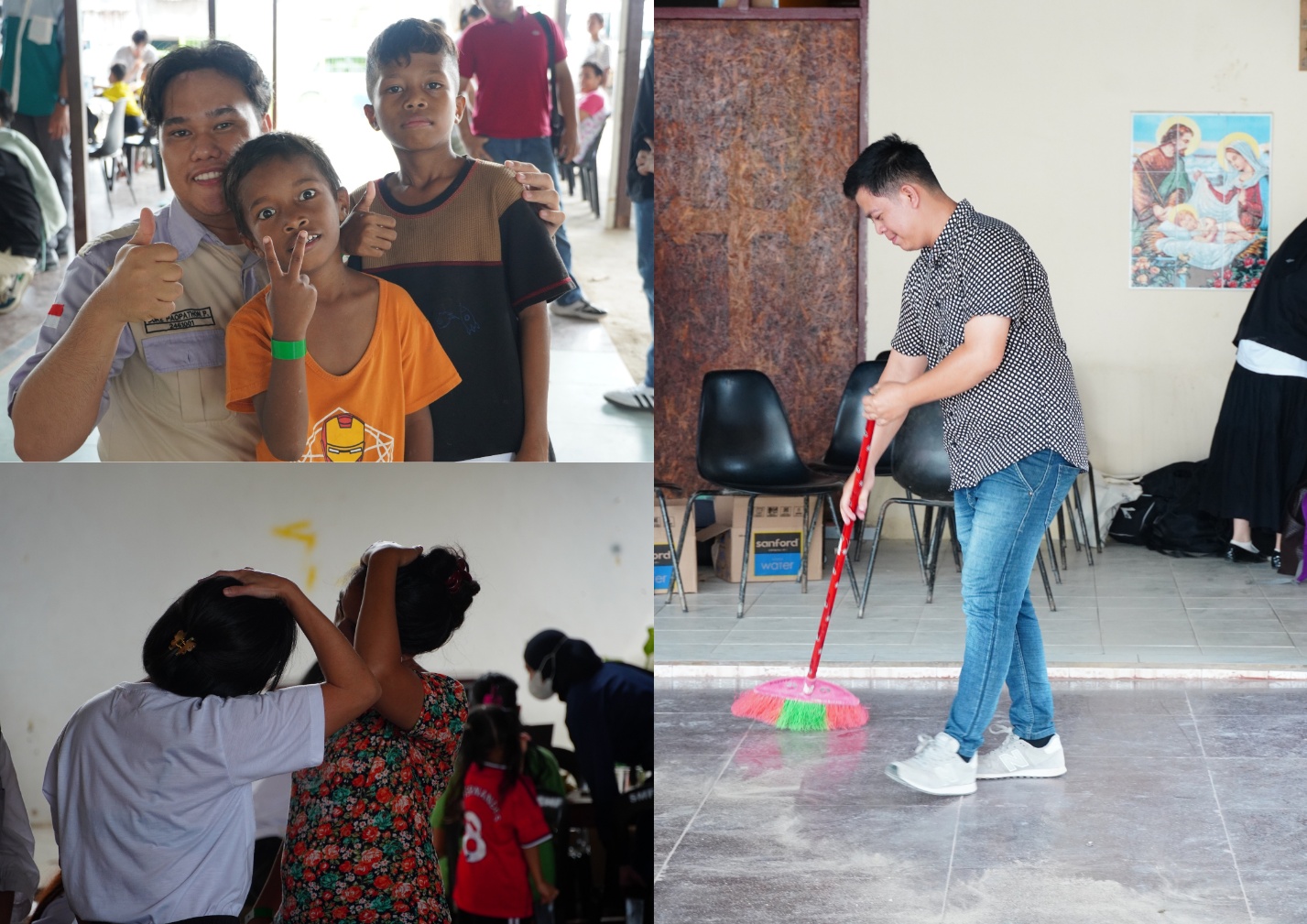
Overall, the Community Health Screening Program at Kampung Air successfully reached more than 150 community members, including approximately 110 children and 47 adults, over the course of two days. The remarkable participation reflected the community’s trust in the program as well as the effectiveness of collaborative healthcare initiatives involving universities from different countries. More importantly, the activity demonstrated that internationalization in higher education extends far beyond academic mobility, creating meaningful opportunities for students to apply their knowledge in ways that directly benefit society. Through programs such as this, Universitas Internasional Batam continues to strengthen its commitment to global engagement, experiential learning, and community service while nurturing internationally minded graduates who are prepared to make positive contributions both locally and globally.
International Relation Office
Universitas Internasional Batam