Author: Duke Paopathon Pardede (2461001) | Editor: Ambarwulan, S.T.
(Source: International Relation Office)
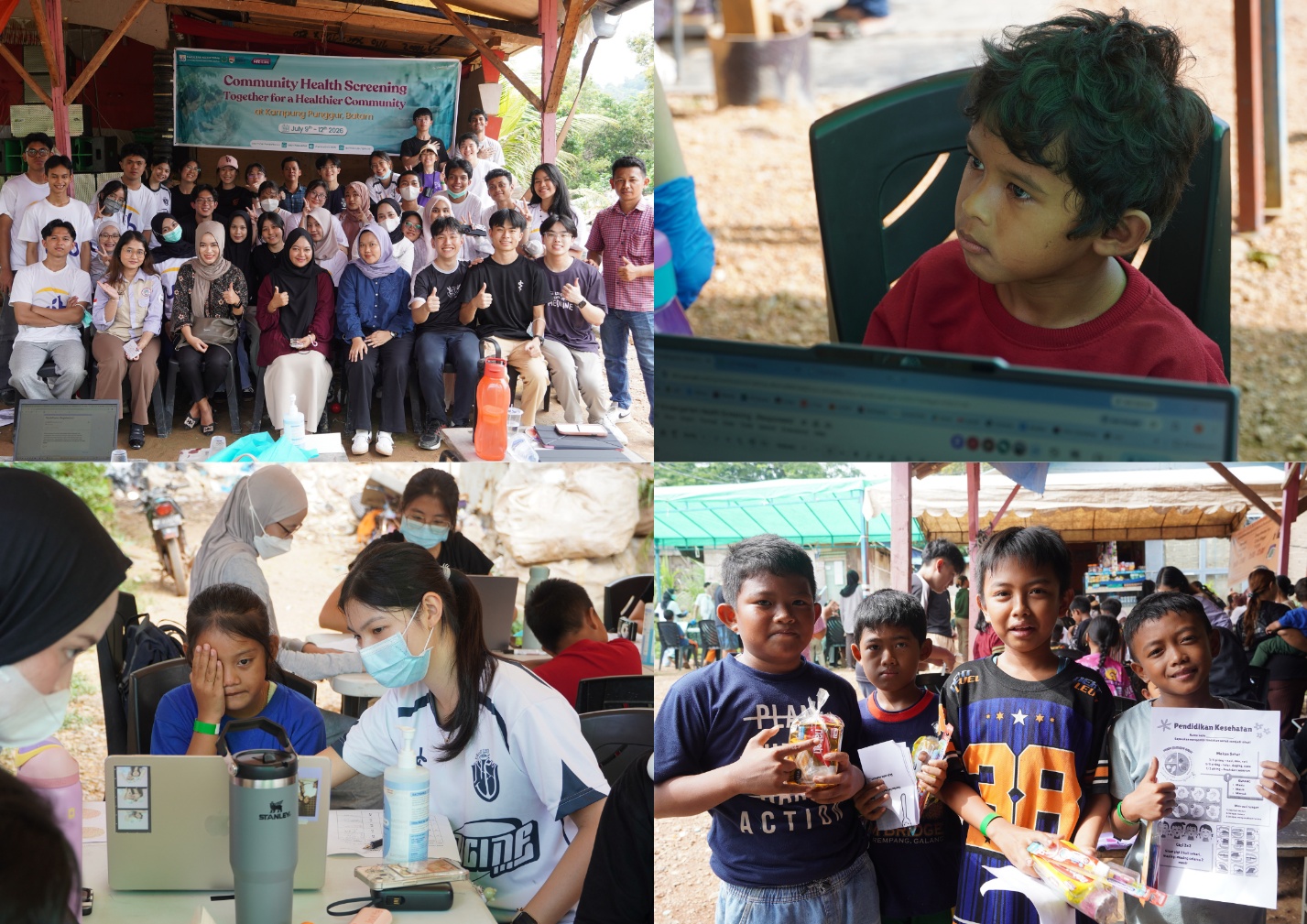
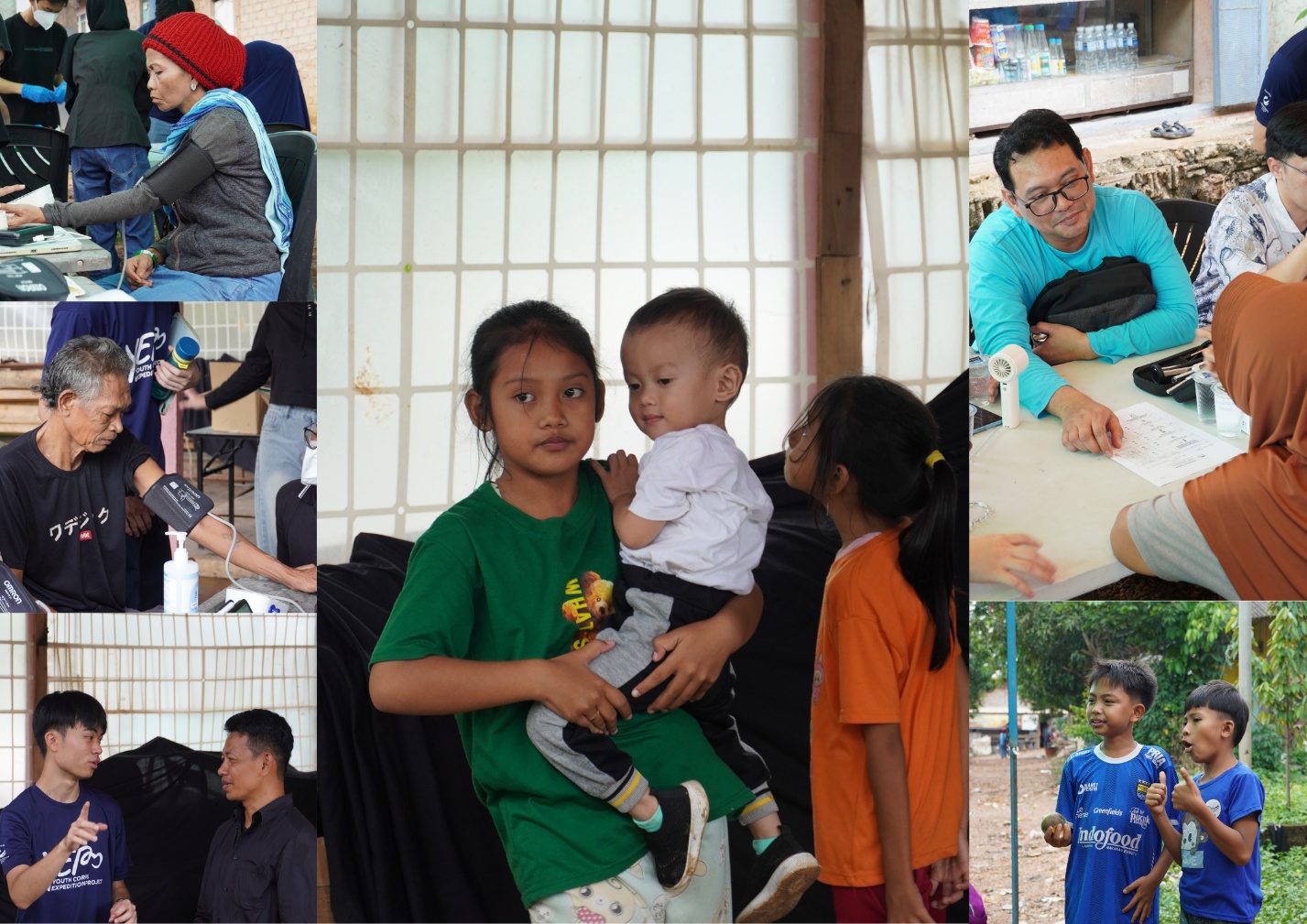
Universitas Internasional Batam (UIB), through its International Relations Office (IRO) and Faculty of Medicine, continued its collaboration with the Lee Kong Chian School of Medicine, Nanyang Technological University (NTU) Singapore, by conducting the second phase of the Academic Exchange, Cultural Immersion, and Community Health Screening Program 2026 at Kampung Punggur, Batam. Held on 10 and 12 July 2026, the community outreach formed part of Project DAYA, an Overseas Community Involvement Project (OCIP) that emphasizes preventive healthcare, service-learning, and international collaboration. Following the successful implementation in Kampung Air, the program expanded its healthcare services to another local community, bringing together lecturers, medical students, healthcare professionals, and local residents in a shared commitment to improving public health. The initiative aimed to provide accessible preventive health services while strengthening students’ practical competencies through direct community engagement. Throughout the two-day activity, the program was carried out successfully and received enthusiastic participation from residents of all ages.
(Source: International Relation Office)
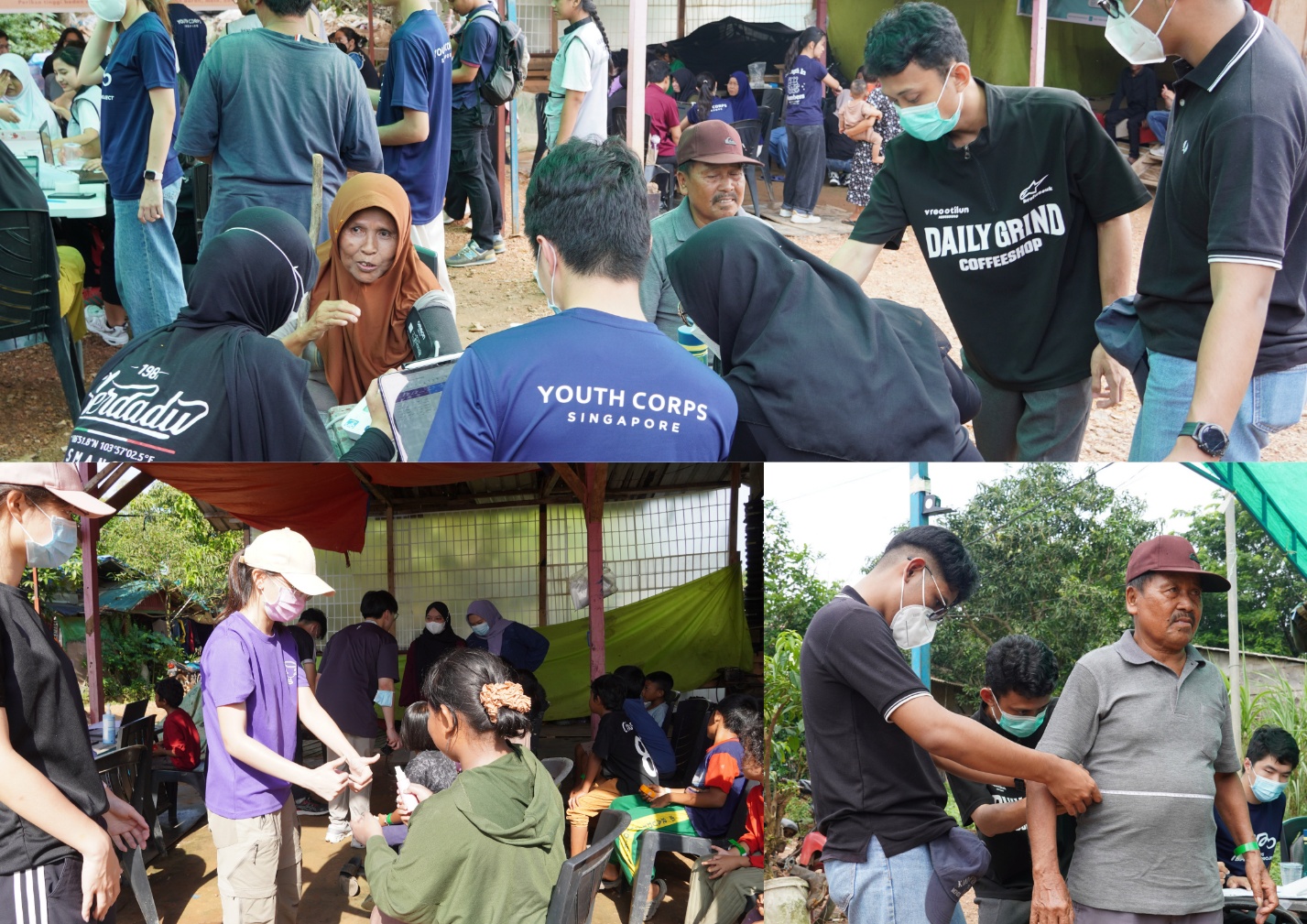
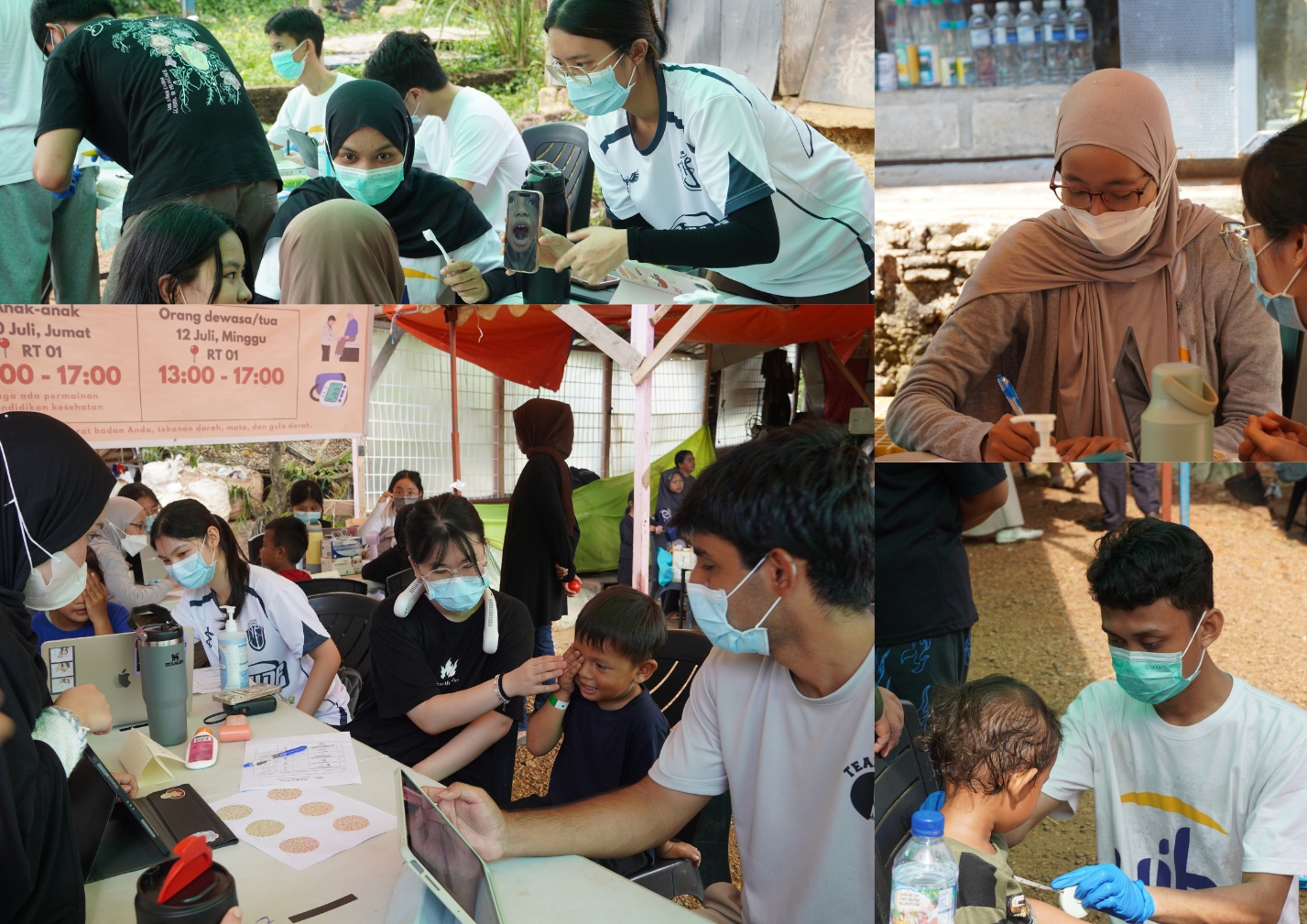
The first day of activities in Kampung Punggur, conducted on Friday, 10 July 2026, focused on Children’s Health Screening, attracting approximately 60 to 70 children from the surrounding community. Families arrived throughout the day to participate in the free health assessment services provided collaboratively by medical students from NTU Singapore and Universitas Internasional Batam. The children underwent a series of comprehensive examinations, including nutritional assessment, height and weight measurements, vision screening, dental examination, and general health evaluation. In addition to medical screening, participants also received interactive health education on proper hand hygiene, healthy eating habits, and the importance of maintaining personal health from an early age. The lively atmosphere reflected the community’s strong enthusiasm for programs that combine healthcare services with child-friendly educational activities.
(Source: International Relation Office)
Rather than functioning solely as a medical screening event, the children’s program emphasized preventive healthcare through education and active participation. The medical students designed interactive sessions that encouraged children to learn while playing, creating an enjoyable environment where health education became both engaging and memorable. Educational materials and healthy snacks were distributed to reinforce positive daily habits, while parents received practical guidance on supporting their children’s growth and overall well-being. This approach demonstrated that community healthcare can be delivered through compassionate communication and meaningful interaction instead of relying solely on clinical procedures. The educational component complemented the health assessments and reinforced the long-term objective of promoting healthier communities through preventive action.
(Source: International Relation Office)
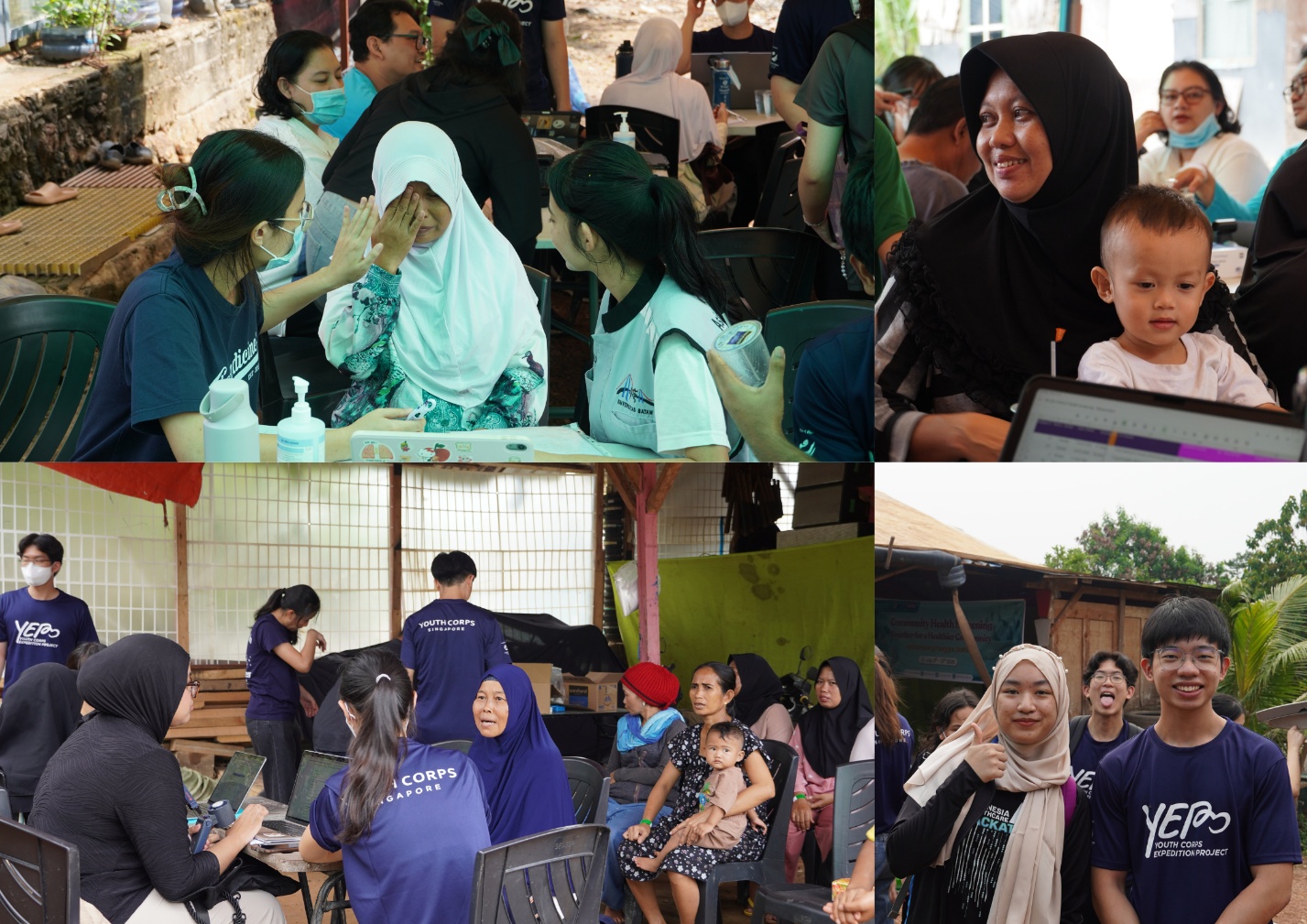
The collaboration also provided a valuable international learning experience for participating students from both universities. Throughout the program, medical students from NTU and UIB worked side by side in multidisciplinary teams, sharing knowledge, clinical practices, and intercultural perspectives while serving the local community. The collaboration allowed students to strengthen their communication skills, develop greater cultural sensitivity, and apply theoretical medical knowledge in real-life situations under the supervision of experienced lecturers and healthcare professionals. Working directly with local residents also encouraged participants to understand the social dimensions of healthcare delivery beyond hospital settings. Such experiential learning reflects the importance of international partnerships in preparing future healthcare professionals to work effectively in diverse communities.
(Source: International Relation Office)
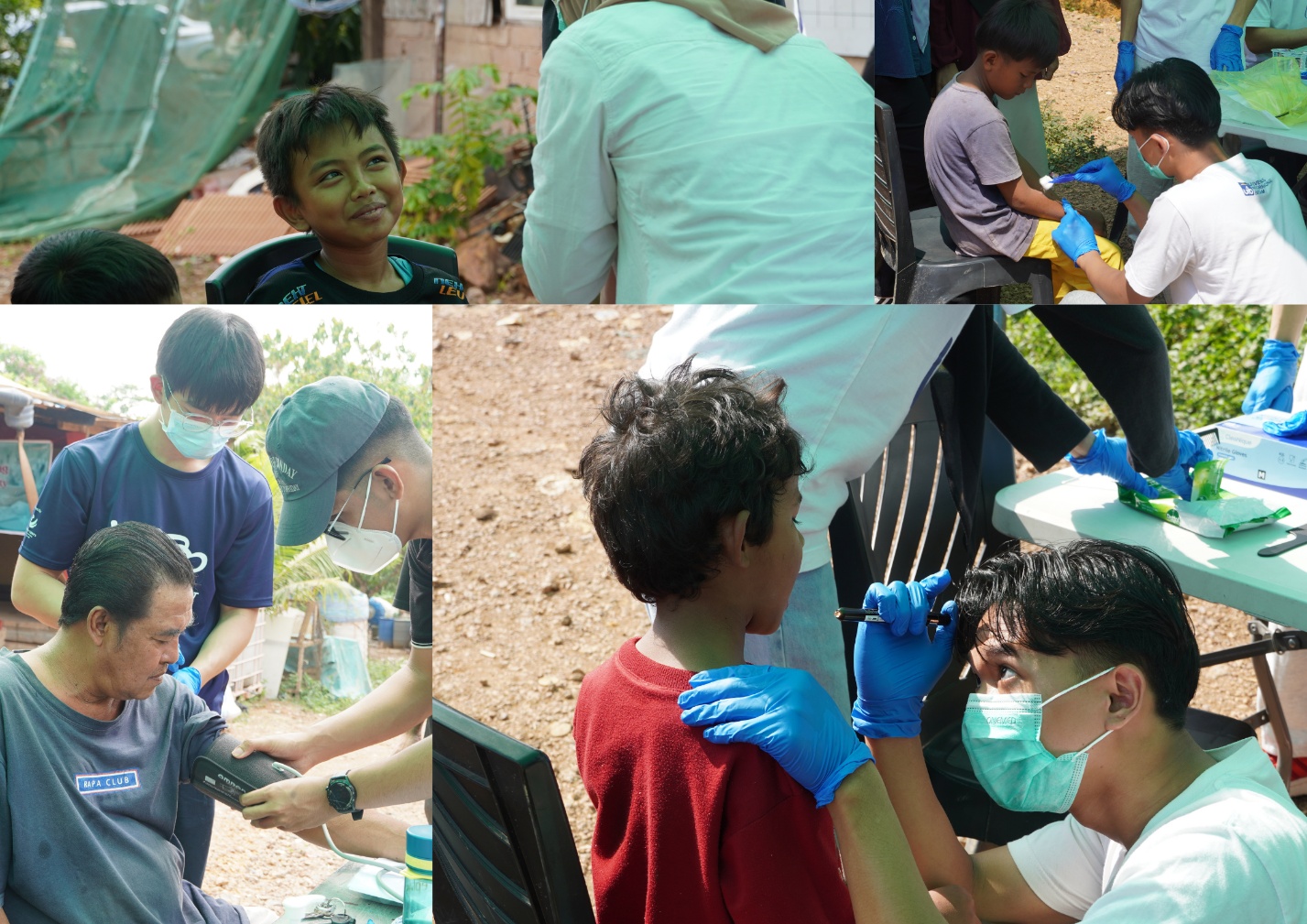
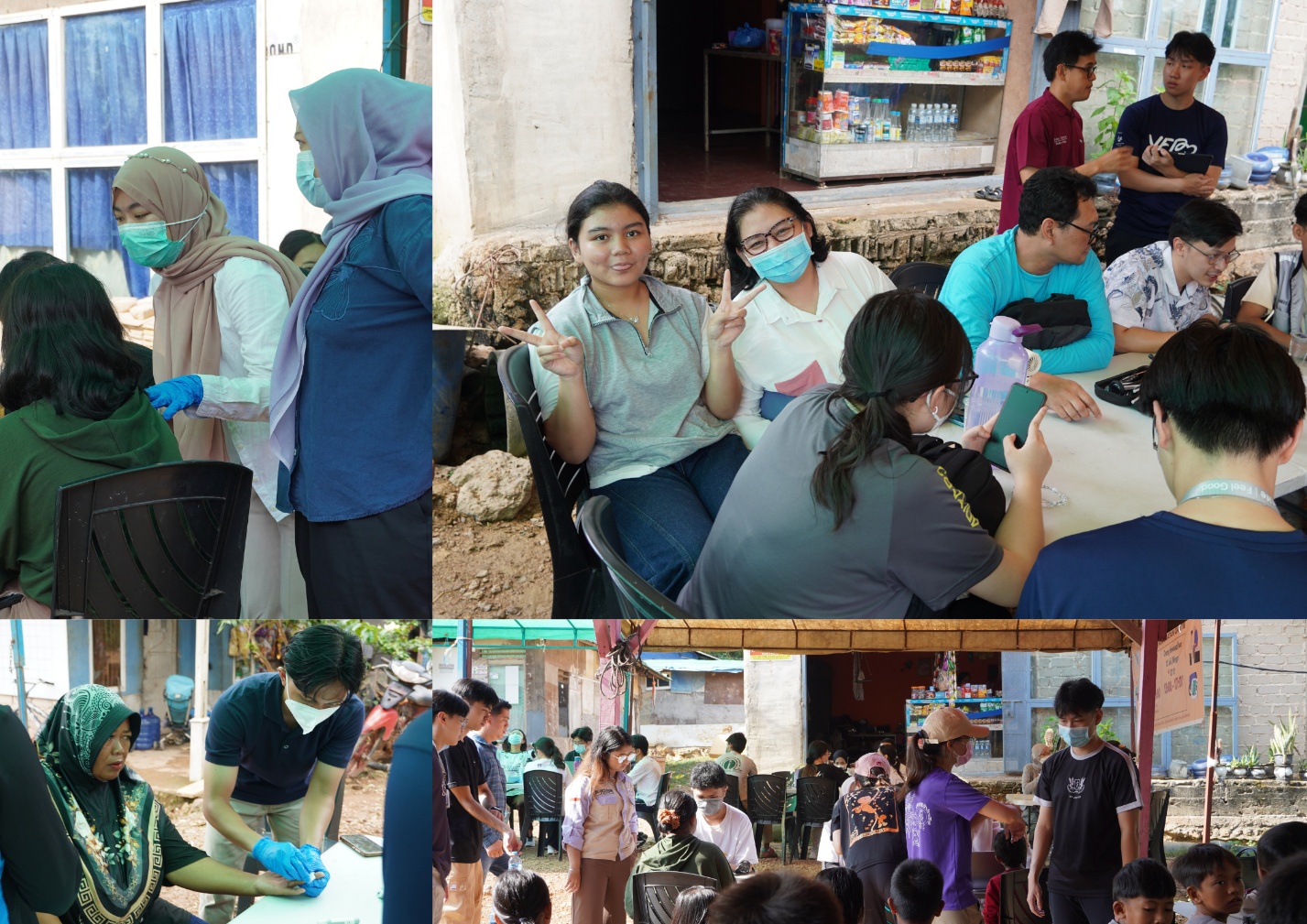
The second phase of the outreach took place on Sunday, 12 July 2026, with an Adult Health Screening program held at RT 01, Kampung Punggur. During this session, 30 adult residents participated in comprehensive preventive health assessments designed to identify common health risks and promote early intervention. Participants received services including blood pressure measurement, blood glucose testing, body mass index (BMI) assessment, waist circumference measurement, vision screening, doctor consultation, and individualized health education. Every participant was encouraged to complete multiple screening stations according to their healthcare needs, allowing for a more holistic understanding of their overall health condition. The organized flow of the screening process ensured that residents received professional and efficient healthcare services throughout the event.
(Source: International Relation Office)
The adult screening highlighted the importance of early detection in preventing chronic diseases within the community. Several participants were identified as having potential risk factors related to hypertension, elevated blood glucose levels, obesity, impaired vision, and other non-communicable health conditions. Following each assessment, participants received personalized consultations from healthcare professionals regarding healthy lifestyle practices, balanced nutrition, physical activity, and appropriate follow-up care. Individuals requiring additional medical attention were advised to seek further evaluation at nearby healthcare facilities to ensure continuity of treatment. This integrated approach demonstrated that effective community healthcare extends beyond diagnosis by empowering individuals to actively manage their long-term health.
(Source: International Relation Office)
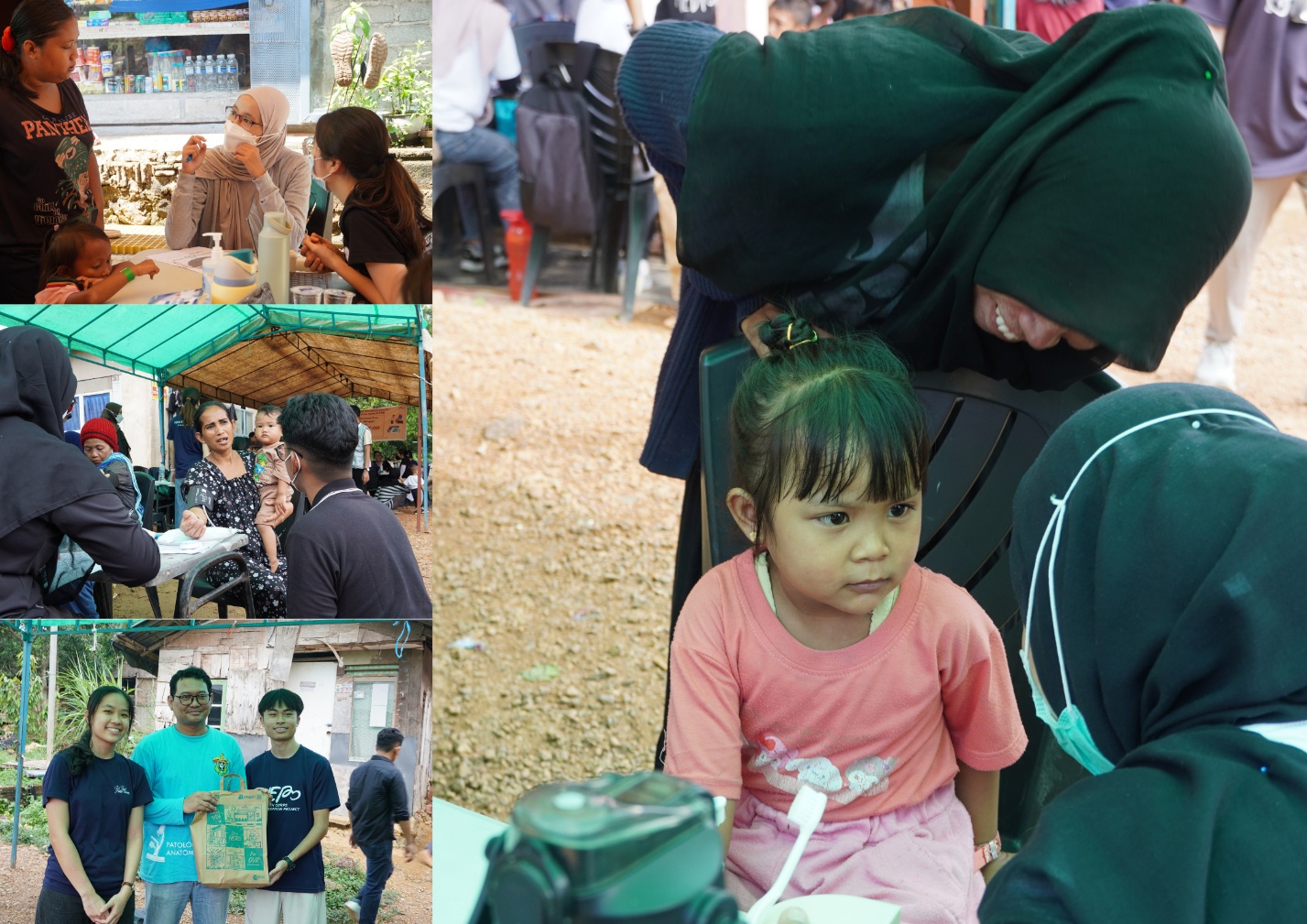
In addition to the clinical assessments, health education formed a central component of the program’s community engagement strategy. Residents received information on chronic disease prevention, healthy dietary practices, regular physical exercise, and the utilization of Indonesia’s National Health Insurance (BPJS) services. Many participants took the opportunity to ask questions about their health conditions and preventive measures, resulting in meaningful two-way communication between healthcare providers and community members. These educational discussions helped improve public understanding of preventive healthcare while encouraging residents to adopt healthier lifestyles within their daily routines. Such interactions further reinforced Project DAYA’s mission of combining medical service with sustainable community education.
(Source: International Relation Office)
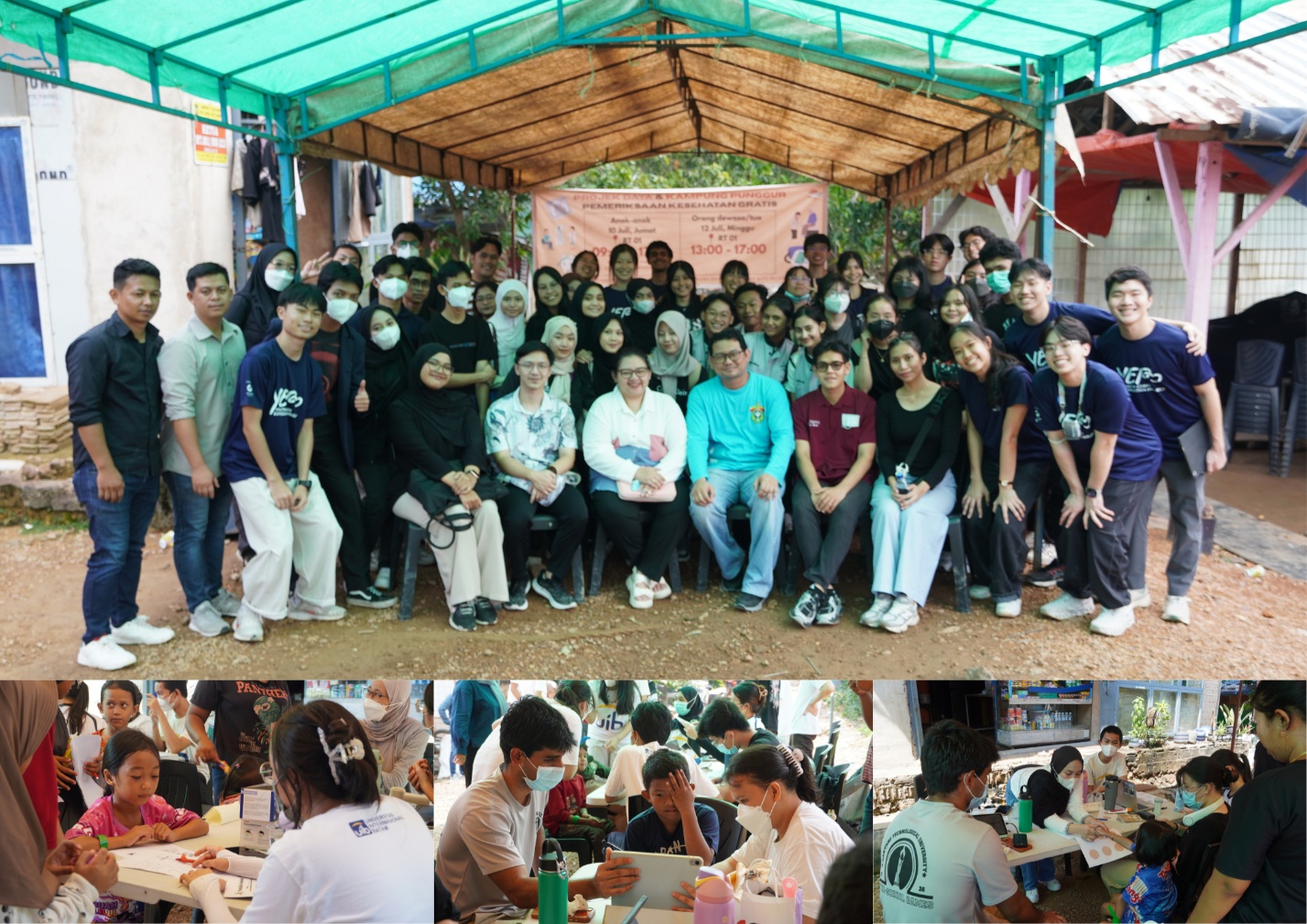
From an institutional perspective, the successful implementation of the health screening activities in Kampung Punggur further strengthened the longstanding partnership between Universitas Internasional Batam and Nanyang Technological University Singapore. The collaboration demonstrated how universities can integrate academic exchange, international service-learning, and community engagement into a single impactful initiative that benefits both students and society. Through direct involvement in community healthcare, students developed professional competencies while simultaneously contributing to public welfare through meaningful service. The activity also reflected the shared commitment of both institutions to fostering socially responsible graduates equipped with global perspectives and strong humanitarian values. Such collaborations continue to expand opportunities for future academic cooperation in education, research, and community development.
(Source: International Relation Office)
Overall, the Community Health Screening Program in Kampung Punggur successfully benefited approximately 90 to 100 community members, including around 60 to 70 children and 30 adults, over the two-day implementation period. The remarkable level of participation demonstrated the community’s positive response toward preventive healthcare initiatives delivered through international collaboration. More importantly, the program illustrated how academic partnerships can extend beyond university campuses to create meaningful and sustainable impacts within local communities. By combining healthcare services, health education, and international experiential learning, Universitas Internasional Batam and NTU Singapore successfully showcased the transformative role of higher education in advancing public health and global citizenship. Through initiatives such as Project DAYA, both institutions continue to strengthen their shared vision of creating internationally competent graduates while making lasting contributions to the well-being of society.
International Relation Office
Universitas Internasional Batam